

HTTP is the HyperText Transfer Protocol. It transfers the HyperText that is HTML files and other files, that complete a web page, from the server to your browser. HTTP is considered as the standard and base for the web. In order to access the information from a particular website, the browser needs HTTP information. An HTTP request is sent to the server by the browser to visit the site after which you get the search result. You first get the HTTP header and then the entire page.
HTTP is the basis of any data exchange on the Web, wherein messages or requests are sent by the client, usually, the web browser and the server gives an answer in the form of search results or responses.
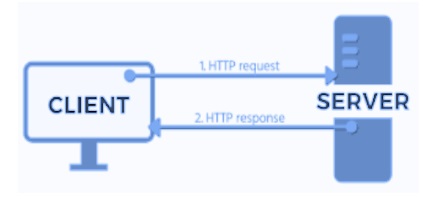
To present the result for a search query, the browser sends the initial request to get the HTML document that presents the page. It is followed by additional requests, in correspondence to the execution scripts, CSS layout information to display, and other sub-resources present within the page (mainly the videos and images). The resulting Web page is a mixture of these resources presented by the Web browser to complete the document.
What is the HTTP header for SEO?
HTTP header contains the meta-information about a page that we want to request to the server. In the HTTP header, we find information about the location of the server, MIME type, about the body of the source. Last modified date of the page and content length. Visitors will not see the HTTP header of your page. We use the browser’s inspector to view the header of a site. You can use the Quix tool to view the HTTP header of your site.
HTTP headers pass additional information between the client and the server along with the HTTP request or response. An HTTP header includes its name that is case-insensitive followed by a colon (:) and then by its value.
Different types of headers based on their contexts:
- General headers are applicable to both requests and responses but do not have any relation with the data included in the body.
- Response headers include additional information about the response, like the server providing it or its location
- Entity headers hold information related to the body of the resources, including the contact length or MIME (Multipurpose Internet Mail Extensions) type. MIME-type is a standard that indicates the nature and format of a file or document.
There are different header status codes that give more information about the page. These status codes are very significant for SEO reasons. We will discuss in brief in other sections of this book.

What Makes a Good Keyword for Ecommerce SEO?
In the section above we have mentioned the tools like SEMRush, Ahrefs, Google Keyword planner, MozBar for keyword research. They all are strong tools and give you varying results. Following are the characteristics of good keyword for ecommerce: Decent Search Volume: ...

How To Use Amazon For SEO Keyword Research?
There is a difference between SEO research for ecommerce sites and SEO research for other sites. Amazon is probably a competitor for your own branded ecommerce site. But amazon spends a lot of money to perfect its product and category for maximum online sales. So it...

SEO for Ecommerce: Finding the Best Keyword for Your Online Store
What is SEO and why does it matter for ECommerce? Search Engine Optimization is the practice of optimizing your website in such a way that it becomes as visible as possible in search results . This practice includes optimizing around specific and skillfully-chosen...