

How do Search Engines Understand Websites?
Assume that you are a web spider and finding content about how to make a pizza. How will you identify the author, steps, recipe, and ingredients required to make the pizza? The answer to this question lies in the schema markup. It informs the search engines about what kind of content is on your page.
Schema is a collaborative, community activity with a mission to create, maintain, and promote schemas for structured data on web pages. You can use schema to organize content in such a way that it is easily understood by search engines. It provides structure to data, and that is why it is often called “structured data”. As you mark up your content with organizational code, this process of structuring is known as “markup”.
Schema.org vocabulary can be used with many different encodings like RDF, Microdata, and JSON-LD. Many applications like Google, Bing, Yandex, Pinterest, and Microsoft use schema markup to structure data on the internet.
Here are some tips for using schema:
- Multiple types of schema markup can be used on a page.
- Only markup content visible to searchers.
- Provide updated and original content on your structured markup pages.
- Use the most relevant kind of schema markup for your content.
learn more about Search Engines.

What is search intent for SEO?
Search intent also referred to as audience intent or user intent. It is used to describe the purpose of online search. It explains the reason why people search on the internet. Some people have questions and they want answers for that. Some people want to buy...

How to leverage asset caching to improve SEO?
Page speed - time taken by the user’s browser to receive the information from your server and load the requested page, is one of the most crucial ranking signals in the Google search results. Since fetching assets over the network takes time and resources, reducing...
What is Bounce rate for SEO?
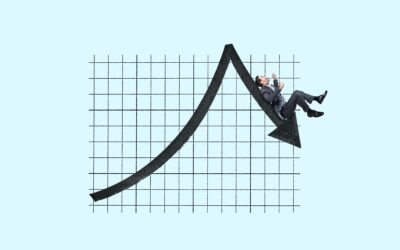
Basically bounce is one hit session. It is a percentage of sessions in which only one hit was recorded. Bounce rate is a metric that measures the percentage of visitors who browse your website and do nothing on your page. They do not click on any link like about us,...